
Children’s Suffering and Adult Responsibility
The Brothers KaramazovThis flow traces how the novel places the suffering of children at the center of both Ivan’s rebellion and Alyosha’s practice of care.
increasing Bearing strength in each event
 decreasing
Bearing strength in each eventdecreasingIvan’s Protest
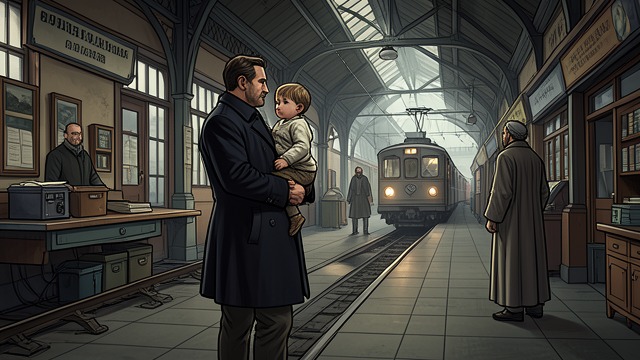
Innocence challenges harmony
Children as the test case
Ivan recounts the cruelty inflicted on children and rejects explanations that make them pay for other people’s sins. His examples force the question of whether any future happiness could justify their suffering.
A refusal to accept the price
Ivan returns his ticket to a world whose harmony is purchased by innocent tears. Alyosha does not dismiss the protest and admits he would not consent to build happiness on that foundation.
Ilusha’s Pain
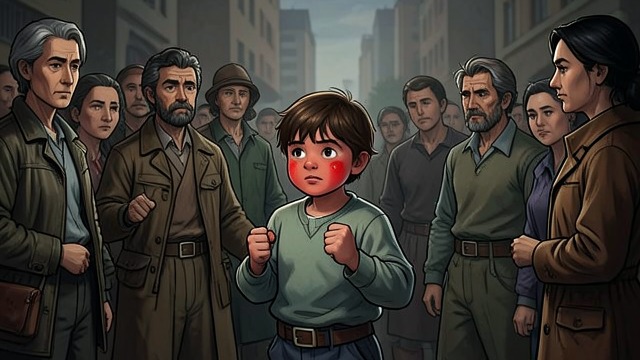
A child caught in adult shame
A wound of injustice
Ilusha witnesses Dmitri humiliate his father and sees his family mocked afterward. His illness and anger are inseparable from the helplessness of a child who believes he must defend his father.
A community gathers
Alyosha and the schoolboys begin visiting him, while Captain Snegiryov struggles to care for his family. Their attention does not undo the harm, but it gives Ilusha companionship and dignity.
The Children’s Promise
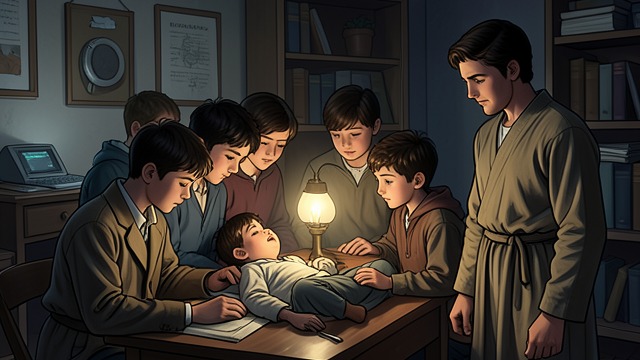
Memory as protection
A farewell
At the funeral, the boys gather around Ilusha and hear Alyosha ask them to remember the boy and their shared kindness. The promise honors a life that could not be saved.
Moral inheritance
Alyosha argues that a good memory may keep someone from future evil. The boys’ companionship becomes a small answer to Ivan’s challenge: care cannot erase suffering, but it can shape what people do next.
the conversation on rebellion at the Metropolis
the weeks between Dmitri’s assault and Ilusha’s death
Ilusha’s funeral and the speech at the stone
